Beyond features: creating products people can’t live without
February 14, 2026 - 2 min read
Cultivating Resilience: RedSea’s Innovations Transform Global Agriculture Amidst Climate Change
(This article was generated with AI and it’s based on a AI-generated transcription of a real talk on stage. While we strive for accuracy, we encourage readers to verify important information.)
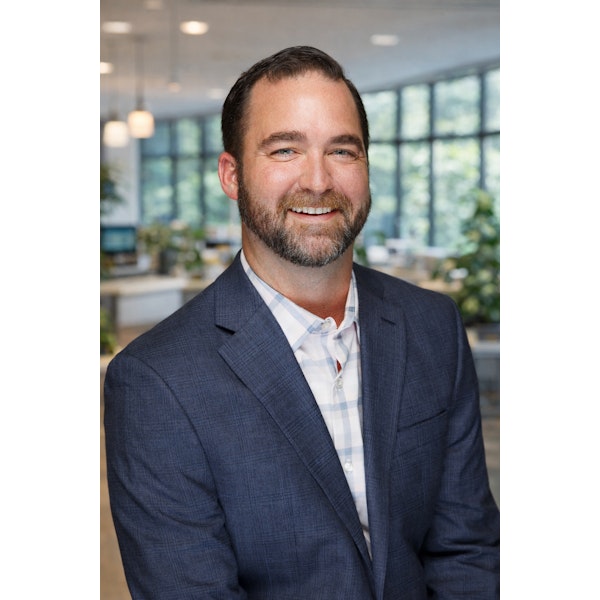
Mr. Ryan Lefers, Co-founder and CEO of RedSea, emphasized the critical need for climate adaptation, especially concerning rising global temperatures. He highlighted that 2023 marked the hottest year on record, underscoring the urgency for all industries to adapt to increasing heat. RedSea, a leading sustainable agri-climate tech company, originated as a spin-out from a university in Saudi Arabia.
The company’s operations span the globe, addressing the widespread impact of climate change. Mr. Lefers provided examples from Italy, where temperatures surpassed 37 degrees Celsius, and Egypt, which is experiencing a “never-ending summer.” Even his home state of South Dakota, typically freezing in winter, saw golfing weather, illustrating the universal nature of these climatic shifts.
In agriculture, heat presents three primary challenges: direct heat stress on crops, leading to reduced yield or death; drought, resulting in severe water scarcity; and increased soil salinity, which renders land less fertile. RedSea is dedicated to developing innovative solutions to mitigate these issues, aiming to secure a sustainable future for food production in increasingly challenging environments.
RedSea’s flagship technology is “Iris Second Sky,” a specialized cover designed for greenhouses and net houses. This innovative material selectively absorbs heat while allowing beneficial light to pass through, effectively providing shade to crops without compromising the essential light needed for photosynthesis. This enables plants to thrive in high-temperature regions, maintaining optimal growth conditions.
Another significant aspect of RedSea’s work involves utilizing traditional breeding methods to develop heat-tolerant crop varieties. This approach tailors plants to specific climates, enhancing their resilience to extreme conditions. Mr. Lefers explained that these technologies, combined with practical gardening adjustments like protecting plant roots, are crucial for conserving water and improving overall crop quality.
Addressing an audience question about gardening in Dubai, Mr. Lefers acknowledged common challenges such as intense summer heat and pollination difficulties. He noted that high temperatures can adversely affect pollinators like bees and can also render soil sterile, significantly impacting crop reproduction. He stressed that RedSea’s technologies are designed to tackle these fundamental problems, making gardening and farming more viable.
The “Iris Second Sky” technology was notably developed by RedSea’s co-founder, Mary Lutton, a female scientist. The company is committed to making its technology accessible and easy for any farmer to adopt, collaborating with partners to reach specific demographic groups, such as small-holder women farmers in Africa, thereby ensuring broad impact and equitable access to their innovations.
Mr. Lefers highlighted that agriculture accounts for a staggering 70% of global water consumption. He illustrated this with compelling examples: a large tomato requires 100-200 liters of water, while a kilogram of beef steak demands an astonishing 1,600 liters. Consumer choices profoundly influence water usage, and unsustainable practices like groundwater over-extraction are rapidly depleting vital aquifers worldwide.
RedSea’s Second Sky Cover directly addresses water scarcity by reducing the water demand for crops by 10% to 40% per kilogram of output, depending on specific local conditions. This not only leads to significant water conservation but also results in higher quality produce. Morocco, a region grappling with severe water shortages and extreme heat, serves as a prime example where this technology is making a tangible difference.
Barriers to technology adoption include issues of access and farmers’ natural reluctance to risk their livelihoods with unfamiliar methods. RedSea effectively overcomes this by encouraging farmers to test the technology on small plots, allowing them to witness its effectiveness firsthand. This practical “show me” approach fosters trust and promotes organic adoption among neighboring farms.
RedSea integrates both nature-sourced and nature-inspired solutions into its approach. Nature-sourced methods involve breeding crops for enhanced heat and salt tolerance, leveraging inherent natural genetic traits. Nature-inspired solutions, or biomimicry, emulate natural processes, such as filtering harmful solar radiation while allowing essential light for photosynthesis, akin to how natural shade functions.
The community aspect of agriculture is paramount, as farmers are often among the most vulnerable populations to climate impacts. By providing climate adaptation solutions, RedSea effectively de-risks farming, leading to more predictable income and improved socio-economic status for communities. This significantly contributes to global food security and enhances community resilience against environmental challenges.
Mr. Lefers attributed RedSea’s success to its exceptionally talented team, including its co-founders and dedicated commercial staff. He noted that the company’s strategic focus on climate adaptation in agriculture aligns perfectly with an area of increasing global importance, combining meticulous planning with a degree of fortunate timing to address critical environmental and societal challenges effectively.
![Building in the AI nation [Hosted by PwC Middle East]](/_cws/_next/static/media/placeholder.b163106b.jpg)